
Private terminal vs VIP lounge: understand the real airport VIP terminal difference, services, privacy level, and cost comparison.
-
Select options This product has multiple variants. The options may be chosen on the product page
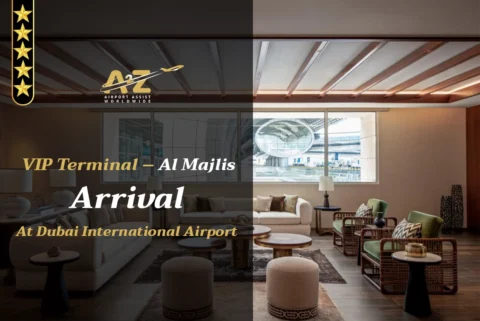
VIP Terminal – Al Majlis – Arrival At Dubai International Airport
Experience Luxury Upon Arrival: VIP Terminal – Al Majlis Service …$ 830.50 Select options This product has multiple variants. The options may be chosen on the product page -
Select options This product has multiple variants. The options may be chosen on the product page
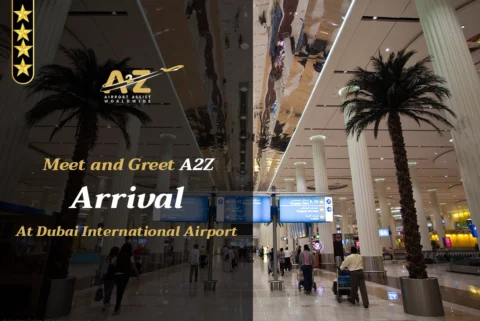
Meet and Greet A2Z – Arrival At Dubai International Airport
Welcome to Dubai International Airport: Your Seamless Arrival Experience At …$ 285.91 Select options This product has multiple variants. The options may be chosen on the product page -
Select options This product has multiple variants. The options may be chosen on the product page
Meet and Greet Standard – Transit At Dubai International Airport
✈️ Meet and Greet Standard – Transit At Dubai International …$ 51.00 Select options This product has multiple variants. The options may be chosen on the product page
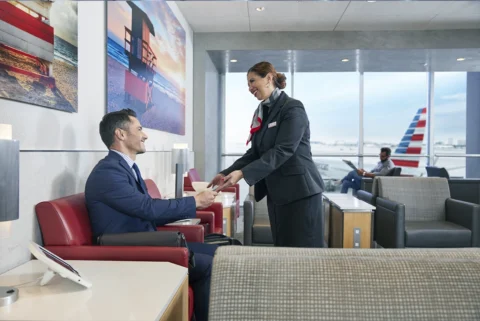
Luxury air travel terminology is often confusing. Travelers frequently use “VIP lounge” and “private terminal” interchangeably — but operationally, they are fundamentally different.
If you are researching private terminal vs VIP lounge, this guide provides a clear, structured comparison covering infrastructure, privacy, security, passenger flow, cost, and who each option is designed for.
Understanding the airport VIP terminal difference can directly influence your travel experience — especially for high-profile passengers, executives, and private jet clients.
What Is a VIP Lounge?
A VIP lounge is a premium waiting facility located inside the commercial airport terminal.
It operates within the public airport infrastructure and typically serves:
Business class passengers
First class passengers
Airline elite status members
Paid lounge access customers
Examples of well-known lounge operators include:
Emirates
Lufthansa
Qatar Airways
These lounges are positioned after security screening and function as comfort spaces before boarding.
What VIP Lounges Typically Offer
Standard VIP lounge amenities include:
Comfortable seating
Buffet or à la carte dining
Showers
Wi-Fi
Business workstations
Boarding announcements
However, passengers still:
Pass through standard security
Use regular immigration counters
Board from public gates
Share space with other lounge guests
A lounge enhances comfort — it does not change the airport process.
What Is a Private Terminal?
A private terminal operates separately from the main commercial terminal.
It is an independent facility — often with its own entrance, security screening, immigration officers, and aircraft access.
Private terminals are commonly used for:
Private jet passengers
Ultra-high-net-worth individuals
Diplomats
Heads of state
High-profile travelers
For example, Heathrow VIP Terminal (formerly known as The Windsor Suite) provides fully secluded aviation processing.
Similarly, PS at LAX operates as a private terminal separate from the main passenger terminals.
Core Infrastructure Differences
Here is the structural comparison:
| Feature | VIP Lounge | Private Terminal |
|---|---|---|
| Location | Inside main terminal | Separate building |
| Security | Standard airport checkpoint | Private screening |
| Immigration | Shared counters | Dedicated officers |
| Boarding | Public gate | Private transfer to aircraft |
| Passenger Volume | Dozens to hundreds | Extremely limited |
| Access Type | Ticket class or paid entry | Reservation only |
This table clarifies the private jet terminal vs commercial VIP distinction.
Privacy Level: The Decisive Factor
Privacy is where the difference becomes dramatic.
VIP Lounge Privacy
Shared seating areas
Public terminal access
Photography by other passengers possible
Crowded during peak travel
Even first-class lounges at major hubs like Dubai International Airport can host hundreds of passengers daily.
Private Terminal Privacy
Discreet entrances
Confidential booking
Private suites
No public exposure
Direct tarmac transfers
For celebrities, executives, or sensitive-profile travelers, a private terminal eliminates unwanted visibility.
Passenger Flow Comparison: Step-by-Step Experience
VIP Lounge Passenger Journey
Enter public terminal
Check in at airline counter
Pass regular security
Clear immigration
Enter lounge
Walk to boarding gate
Board with other passengers
Private Terminal Passenger Journey
Arrive at discreet private entrance
Valet parking or private drop-off
Private security screening
Dedicated immigration clearance
Relax in private suite
Chauffeured transfer directly to aircraft
The operational flow is entirely different.
Cost Comparison: VIP Lounge vs Private Terminal
VIP Lounge Access
Free with premium ticket
$30 – $150 for day passes
Annual membership programs available
Private Terminal Services
$1,000 – $5,000+ per flight (depending on airport and level of service)
Often bundled with private jet charter
Premium ground handling coordination included
The pricing difference reflects infrastructure, exclusivity, and staffing.
Private Jet Terminal vs Commercial VIP: Regulatory Differences
Private jet terminals (often called FBOs — Fixed Base Operators) serve general aviation.
Commercial VIP terminals operate within regulated commercial aviation but offer segregated processing.
For example, Signature Aviation manages numerous private jet terminals worldwide, handling:
Customs
Refueling
Aircraft handling
Crew services
Meanwhile, commercial private terminals maintain direct coordination with commercial airlines while preserving discretion.
Security & Screening Differences
Security procedures differ significantly.
VIP Lounge:
Standard TSA or airport authority screening
Same process as economy passengers
Private Terminal:
Separate security staff
Discreet screening rooms
No public queues
Controlled access environment
At locations like Nice Côte d’Azur Airport, private aviation facilities operate with fully independent passenger flow from commercial terminals.
Who Should Choose a VIP Lounge?
A VIP lounge is ideal if you:
Want comfort before boarding
Are flying business or first class
Need workspace
Have moderate layover time
Do not require discretion
It is a comfort upgrade — not an operational transformation.
Who Should Choose a Private Terminal?
A private terminal is appropriate if you:
Require full discretion
Are traveling with security teams
Value time predictability
Want crowd avoidance
Are flying private jet
Represent sensitive business or political interests
It is a structural change to your airport experience.
Hybrid Models: Assisted Commercial VIP Transfers
Some service providers bridge the gap by offering commercial flight assistance with enhanced privacy coordination.
Companies like A2Z Airport Assist help commercial passengers access:
Expedited airport processing
Coordinated boarding
Controlled exposure
While not equivalent to a standalone private terminal, this model improves efficiency without full private infrastructure cost.
Transit During Irregular Operations: Delays, Missed Flights, and Rebooking
When flights are delayed or cancelled, transit passengers are often the most affected, particularly on international routes.
VIP assistance during disruptions
VIP agents assist by:
Coordinating with airlines
Guiding passengers to service desks
Facilitating rebooking support
Managing overnight arrangements if needed
This human support is invaluable during high-stress situations.
Why Airlines Alone Are Not Enough for Transit Support
Airlines prioritize operational efficiency and cannot offer individualized support to every connecting passenger, especially during peak times.
VIP airport services fill this gap by focusing exclusively on the passenger experience rather than aircraft turnaround metrics.
Cost vs Value: Is VIP Transit Assistance Worth It?
While VIP airport services involve additional cost, the value becomes clear when considering the potential consequences of missed connections, lost time, and travel stress.
For many travelers, especially those on long-haul or multi-segment itineraries, the cost represents a strategic investment rather than a luxury expense.
How to Choose VIP Airport Services for International Transit
When selecting VIP assistance for connecting flights, travelers should consider:
Airport coverage
Experience with transit passengers
Availability of fast track access
Real-time flight monitoring
Reputation and reviews
Choosing a provider with global reach ensures consistency across complex itineraries.
The Future of VIP Airport Services for Transit Passengers
As airports grow larger and connections more complex, VIP airport services are expected to become an integral part of international travel planning, not just for elites but for anyone seeking reliability and comfort in an increasingly demanding travel environment.
Operational Control & Aircraft Access: The Most Overlooked Difference
Beyond comfort and privacy, the most significant distinction in the private terminal vs VIP lounge debate lies in operational control and aircraft proximity.
This factor directly impacts time efficiency, exposure management, and boarding logistics.
Aircraft Proximity in VIP Lounges
When using a VIP lounge inside the main terminal:
Aircraft are parked at commercial gates
Boarding occurs through standard jet bridges or bus gates
Gate allocation may change last-minute
Passengers must monitor announcements
Walking distances can be substantial
Even in premium terminals at airports such as Hong Kong International Airport, gate reassignment during peak operations is common.
Passengers remain subject to:
Airport congestion
Slot management delays
Gate traffic
Standard boarding sequencing
A VIP lounge improves waiting conditions — but it does not provide control over aircraft access.
Aircraft Access in Private Terminals
Private terminals operate on a completely different logistical model. Key distinctions include:
Aircraft parked in dedicated aviation zones
Direct tarmac access
Chauffeured transfer vehicles
Boarding at scheduled discretion
No gate crowding
At facilities such as Farnborough Airport, passengers move from lounge suite to aircraft within minutes — without exposure to public infrastructure. This is particularly relevant for:
High-security individuals
Time-sensitive departures
Charter operations with flexible slot coordination
Slot Flexibility & Departure Timing
Commercial aviation operates under rigid slot allocation systems. Even first-class passengers in a VIP lounge cannot influence:
Departure sequencing
Pushback clearance
Runway queue position
In contrast, private aviation terminals often benefit from:
Flexible departure windows
Faster ground handling turnaround
Reduced taxi congestion
Lower airside traffic density
This creates a tangible time advantage — especially during peak travel seasons.
Ground Handling & Baggage Control
In the commercial VIP environment:
Baggage is processed through standard airport systems
Lost luggage risk remains within airline infrastructure
Priority tags may help but do not eliminate delay
In private terminals (particularly in private jet contexts):
Baggage is handled directly by ground crew
Minimal transfer points reduce mishandling risk
Loading is supervised in real time
For executives traveling with sensitive equipment or confidential materials, this difference is operationally significant.
Risk Exposure & Crowd Density
Public terminals — even premium zones — are designed for volume.
During global peak traffic waves, airports like Los Angeles International Airport experience substantial passenger density fluctuations.
In a VIP lounge, you remain inside that ecosystem.
Private terminals, however, operate on a controlled capacity model:
Limited daily passenger throughput
Scheduled access windows
Controlled visitor entry
From a security planning perspective, lower density equals lower exposure.
Crisis Management Scenarios
The difference becomes most visible during irregular operations:
Weather disruptions
Air traffic control delays
Security incidents
High-profile public events
In commercial terminals, disruption affects all passengers.
In private terminals:
Passenger flow remains segregated
Dedicated staff provide immediate updates
Alternative aircraft or routing adjustments are coordinated privately
This resilience factor is rarely discussed in public comparisons but is a major differentiator for corporate travel departments.
Strategic Implication for 2026 Travel Planning
As airports grow increasingly congested and global passenger numbers continue rising, the gap between lounge comfort and terminal control becomes wider.
When evaluating private jet terminal vs commercial VIP, the real question is not about luxury — it is about infrastructure autonomy.
VIP lounges optimize comfort inside the system.
Private terminals optimize control outside the system.
For travelers whose time, visibility, or operational certainty carries measurable value, aircraft access logistics often become the decisive factor.
Final Verdict: Private Terminal vs VIP Lounge
The difference is not about better food or nicer chairs. It is about infrastructure, privacy, and passenger flow control.
A VIP lounge enhances comfort within the public system.
A private terminal replaces the public system with a dedicated one.
If your priority is relaxation, a lounge is sufficient. If your priority is discretion, time control, and exclusivity, a private terminal is an entirely different category of service.
Understanding the true airport VIP terminal difference allows you to align your travel investment with your operational needs — not marketing terminology.
FAQ
No. Some airports allow commercial passengers to use private terminals for a premium fee.
Yes, through paid access or membership programs.
No. Availability depends on airport size and regulatory framework.
No. Immigration occurs before lounge entry in most cases.