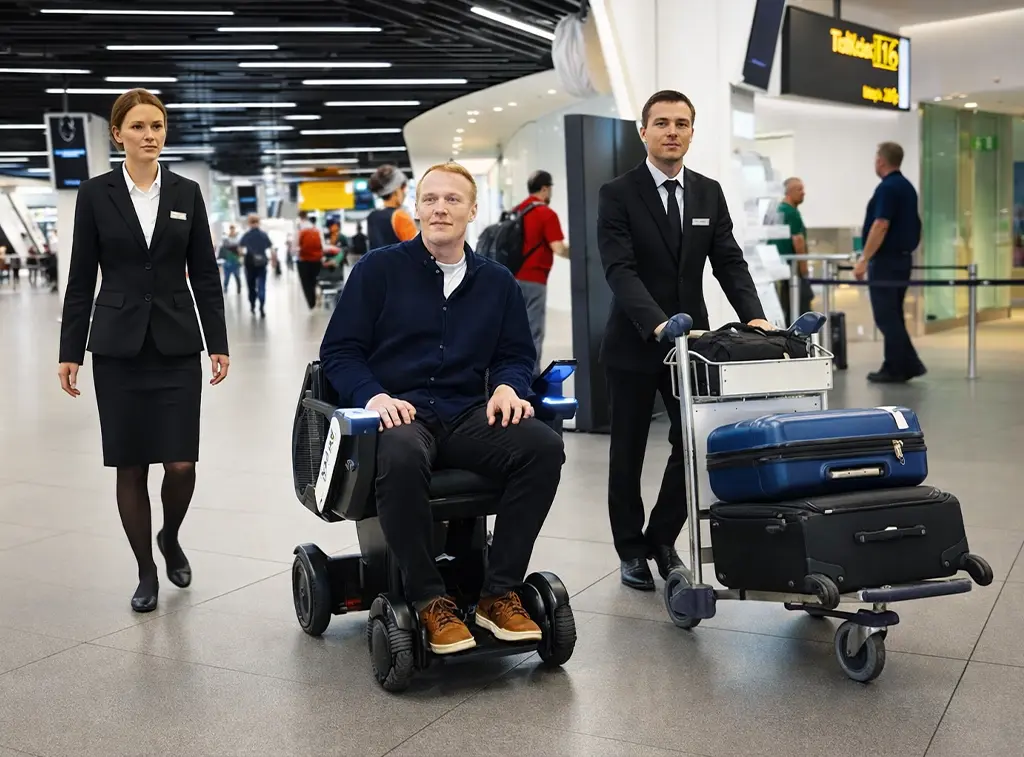
Safe, fast, and personalized airport assistance for medical travelers and passengers with special needs. Wheelchair fast track & disabled support worldwide.
-
Select options This product has multiple variants. The options may be chosen on the product page
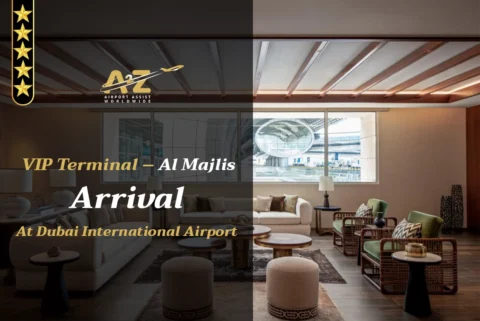
VIP Terminal – Al Majlis – Arrival At Dubai International Airport
Experience Luxury Upon Arrival: VIP Terminal – Al Majlis Service …$ 830.50 Select options This product has multiple variants. The options may be chosen on the product page -
Select options This product has multiple variants. The options may be chosen on the product page
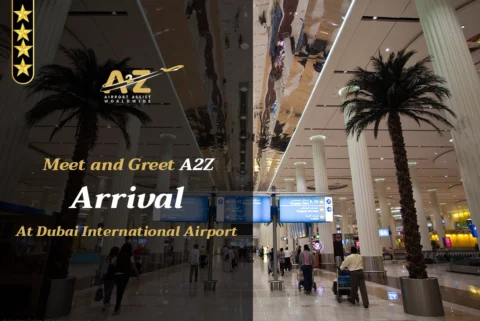
Meet and Greet A2Z – Arrival At Dubai International Airport
Welcome to Dubai International Airport: Your Seamless Arrival Experience At …$ 285.91 Select options This product has multiple variants. The options may be chosen on the product page -
Select options This product has multiple variants. The options may be chosen on the product page

Meet and Greet Standard – Transit At Dubai International Airport
✈️ Meet and Greet Standard – Transit At Dubai International …$ 51.00 Select options This product has multiple variants. The options may be chosen on the product page

Traveling through an airport can be a daunting experience for passengers with medical needs or disabilities. From long queues and extensive walking distances to unfamiliar environments, navigating airports can be physically and mentally exhausting. In 2026, specialized airport assistance services have evolved to provide tailored support for medical travelers and passengers with special needs, ensuring a safe, comfortable, and stress-free journey.
Understanding Airport Assistance for Medical Travelers
Airport assistance for medical travelers is designed for passengers who may require support due to medical conditions, chronic illnesses, or temporary health challenges. Services can range from wheelchair support and priority check-in to personalized escort services and medical monitoring during the airport transit.
Key Benefits:
Priority Check-In and Security Clearance: Avoiding long lines reduces stress and exposure to potential health risks.
Wheelchair and Mobility Support: Professional staff provide wheelchairs, escort passengers to gates, and handle luggage.
Medical Monitoring: In cases where patients require monitoring or oxygen support, airport assistance teams coordinate with airlines and medical personnel.
Customized Ground Transportation: From the aircraft to medical facilities or private vehicles, assistance is seamless and safe.
Wheelchair Fast Track Airport Services
Wheelchair fast track services are increasingly popular, allowing passengers with mobility issues to bypass traditional lines. These services can be pre-booked and customized depending on the airport and passenger requirements.
Features:
Personalized Escort: Staff accompany passengers from check-in to the aircraft.
Fast Security and Immigration Clearance: Reduced waiting times and direct access to gates.
Comfortable Seating and Rest Areas: Access to priority lounges and designated waiting zones.
In busy international airports like Heathrow Airport and Singapore Changi Airport, fast track wheelchair services significantly improve travel efficiency and comfort.
Assistance for Disabled Travelers Airport-Wide
Airport assistance for disabled travelers is not limited to mobility issues. Services cater to passengers with hearing impairments, visual disabilities, cognitive challenges, and other special needs.
Examples of Support:
Hearing-Impaired Passengers: Sign language interpreters and visual communication aids.
Visually-Impaired Travelers: Trained staff guide passengers and provide tactile cues for orientation.
Cognitive Assistance: Clear instructions, quiet zones, and one-on-one guidance help reduce anxiety.
Service Animal Coordination: Ensuring smooth travel for passengers accompanied by assistance animals.
These services demonstrate a growing commitment to inclusivity and accessibility in airport management.
Booking Medical and Special Needs Assistance
Booking airport assistance in advance is essential for medical travelers to ensure personalized care and seamless service. Most international airports and major airlines provide an online booking system for:
Wheelchair support
Medical escort services
Assistance for disabled or elderly passengers
Coordination with airline cabin crew for in-flight support
Proactive planning ensures passengers receive tailored support from arrival to departure.
Legal and Safety Considerations
Airports and airlines operate under strict regulations to accommodate passengers with medical or special needs:
Airline Disability Policies: Airlines comply with international accessibility standards and provide mandatory assistance.
Medical Clearance: Certain conditions may require documentation or physician clearance.
Safety Protocols: Assistance staff are trained to handle emergencies, oxygen requirements, and safe patient transport.
Understanding these requirements ensures a smooth experience and prevents last-minute complications.
Cost vs. Value of Airport Medical Assistance
While airport assistance services come with an additional cost, the benefits often outweigh the price:
Reduced physical and emotional stress
Increased safety during airport navigation
Shorter waiting times
Enhanced overall travel experience
Prices vary depending on airport, distance traveled, and the level of support required, but many passengers consider these services indispensable, especially for long-haul or connecting flights.
Choosing the Right Airport Assistance Provider
When selecting a provider for medical or special needs airport assistance, consider:
Experience and Training: Staff should be trained in handling medical equipment and passenger care.
Reputation: Look for verified reviews and airline partnerships.
Availability: 24/7 support and flexible scheduling are essential for flight delays or emergencies.
Personalization: Services should adapt to specific medical conditions or disabilities.
Providers like A2Z Airport Assist specialize in these services and have earned trust among travelers worldwide.
Advanced Support Features in 2026
In 2026, top-tier airport assistance services integrate technology and advanced planning to enhance the experience:
Real-Time Tracking: Staff track flights and passenger progress through the airport.
Health Monitoring Devices: For medical travelers requiring vital monitoring.
Custom Routing: Avoiding crowded areas, escalators, and long corridors.
Integration with Travel Insurance: Ensures medical support costs are partially or fully covered.
This combination of personalized care and modern technology provides a seamless experience for all passengers.
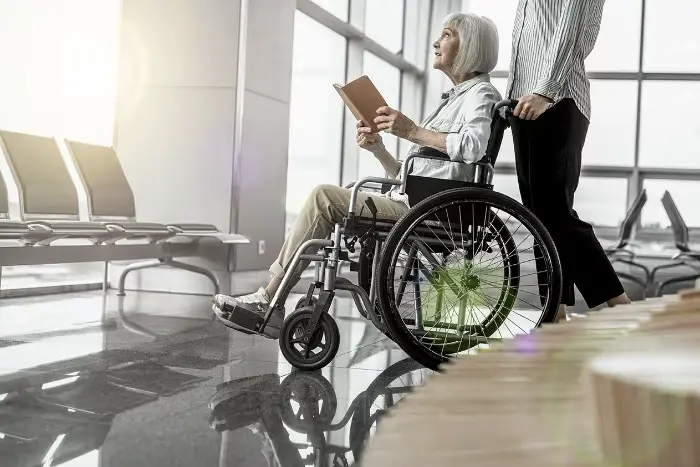
Advanced Accessibility Protocols for Medical and Special Needs Travelers
Airport assistance for medical travelers and passengers with special needs has become highly specialized. Leading providers implement structured accessibility protocols to ensure safety, efficiency, and comfort, addressing the unique challenges these travelers face in busy airports. Beyond standard wheelchair support, these protocols focus on risk reduction, personalized routing, and proactive management of potential obstacles.
1️⃣ Pre-Arrival Assessment and Planning
Effective assistance begins long before the traveler arrives at the airport. Pre-arrival planning ensures a seamless experience:
Medical Condition Evaluation: Staff review the traveler’s medical needs, mobility limitations, and required equipment.
Airport Mapping: Identification of the most accessible routes, elevators, ramps, and assistance counters.
Coordination with Airlines: Confirm seating arrangements, in-flight support, and medical requirements with airline personnel.
Contingency Planning: Backup plans for flight delays, gate changes, or unexpected medical needs.
This preparation minimizes stress and ensures that every step of the journey is anticipated and controlled.
2️⃣ Personalized Routing and Mobility Management
Standard airport layouts can be challenging for passengers with mobility impairments or medical conditions. Advanced services implement:
Custom Walking Paths: Avoiding long corridors, crowded lounges, and staircases.
Direct Elevator Access: Prioritized use of elevators or lifts to reduce exertion.
Staggered Boarding and Disembarkation: Managing passenger movement to avoid congestion.
Adaptive Vehicle Transfers: Wheelchair-accessible vehicles or stretcher support directly from aircraft to ground transport.
By managing every movement within the airport, assistance providers reduce fatigue and exposure to potential hazards.
3️⃣ Integration of Medical Monitoring and Equipment Handling
For travelers with health vulnerabilities, medical monitoring is critical. Advanced airport assistance includes:
Vital Sign Monitoring: Staff trained to handle portable monitoring devices or oxygen delivery systems.
Medication Management: Secure transport and administration of medications during transit.
Equipment Support: Handling of mobility aids, oxygen tanks, or personal medical devices.
Emergency Response Preparedness: Immediate access to medical personnel in case of sudden health events.
This ensures that the traveler’s medical needs are met at every stage without compromising safety or comfort.
4️⃣ Sensory and Cognitive Accommodation
Accessibility protocols also consider passengers with sensory or cognitive challenges:
Hearing Impairments: Sign language interpreters, real-time visual notifications, and vibration alerts.
Visual Impairments: Trained staff guides, tactile cues, and audible orientation tools.
Cognitive or Anxiety Challenges: Quiet zones, clear step-by-step instructions, and one-on-one assistance to reduce stress.
Service Animals Support: Coordination of boarding, walking, and resting areas for assistance animals.
This holistic approach ensures inclusivity, making airport travel feasible for travelers with a wide range of needs.
5️⃣ Digital Integration and Real-Time Coordination
In 2026, technology enhances medical and special needs assistance:
Flight Tracking Integration: Real-time updates allow staff to adjust routes, timings, and resource allocation dynamically.
Digital Health Logs: Secure apps communicate traveler needs to airport and airline personnel without breaching privacy.
Predictive Crowd Management: AI-based systems forecast congestion in terminals to reroute travelers safely.
Smart Assistance Devices: Wheelchairs with GPS tracking, automated boarding ramps, and sensor-equipped mobility aids reduce human error and waiting times.
Digital coordination ensures that personalized assistance is both efficient and adaptable to changing airport conditions.
6️⃣ Staff Training and Protocol Standardization
Quality assistance depends on well-trained personnel:
Specialized Training: Staff trained in medical equipment, mobility aids, and passenger care protocols.
Emergency Protocols: Clear procedures for medical events, flight delays, or terminal emergencies.
Cultural Sensitivity and Communication: Multilingual support and respectful interaction with all passengers.
Continuous Assessment: Performance audits and feedback systems to maintain high standards.
Professionalism and knowledge reduce risk while enhancing traveler confidence and satisfaction.
7️⃣ Legal Compliance and Safety Standards
Assistance providers must adhere to international regulations:
Accessibility Laws: Compliance with ADA, EU Regulation 1107/2006, and local accessibility mandates.
Medical Documentation: Coordination with physicians for required health clearance or travel restrictions.
Liability and Insurance Coverage: Protection against unforeseen incidents during airport transit.
Safety Audits: Regular checks of equipment, vehicles, and escort protocols.
Adherence to legal standards ensures trustworthiness and reliable service delivery.
8️⃣ Enhanced Comfort and Psychological Support
Airport transit can be stressful for medical travelers. Advanced assistance protocols include:
Priority Lounge Access: Comfortable seating, hydration, and quiet environments.
Emotional Support: Staff trained to provide reassurance and guidance to reduce anxiety.
Smooth Transfers: Minimized wait times and seamless handoffs between airport, airline, and ground transport personnel.
Providing comfort and psychological support enhances the overall experience, making travel manageable for vulnerable passengers.
Conclusion
Airport assistance for medical travelers and passengers with special needs is no longer a luxury—it is a necessity for stress-free, safe, and efficient travel. By providing wheelchair fast track services, specialized staff, and personalized support, airports and providers like A2Z Airport Assist are transforming the way travelers navigate busy terminals. Whether traveling for business, vacation, or urgent medical reasons, these services guarantee comfort, security, and peace of mind.
FAQ
Yes. Most international airports and airlines allow pre-booking for wheelchair support, medical escort, and special needs assistance to ensure a smooth experience.
Availability depends on the airport infrastructure, but major international hubs typically offer fast track and priority mobility services.outing, rebooking support, or lounge access when delays occur, ensuring continuity and reducing the impact of irregular operations.
Absolutely. Services include sign language interpreters, tactile guidance, and staff trained to support sensory or cognitive disabilities.
Yes, costs vary depending on airport, level of service, and equipment required. Many passengers consider the convenience and safety invaluable.
Professional providers follow strict confidentiality protocols and coordinate discreetly with airlines and airport personnel to protect personal information.